Enhancing Digital and Print Designs with Watercolor Purple Flower Ribbon Frames
In the evolving landscape of graphic design, the demand for assets that convey emotion, elegance, and authenticity has never been higher. Among the myriad of digital resources available to creators, Watercolor Purple Flower Ribbon Frames stand out as a versatile and sophisticated choice. These elements bridge the gap between traditional hand-painted artistry and modern digital convenience, offering designers a unique toolset for crafting visually compelling narratives. Whether utilized in high-end wedding stationery or subtle branding materials, these botanical ribbon wreaths provide a soft, romantic aesthetic that resonates deeply with contemporary audiences.
The integration of such specific artistic elements into professional workflows requires an understanding of both their visual impact and technical specifications. This article explores the multifaceted utility of these watercolor assets, examining how they enhance various design projects, the technical advantages of high-resolution PNG formats, and the broader trends in decorative design that favor organic, hand-crafted looks over rigid geometric structures.
The Aesthetic Appeal of Botanical Ribbon Wreaths
The combination of floral motifs and ribbon elements creates a visual language that is inherently celebratory and refined. Purple, in particular, carries significant psychological weight in color theory. Historically associated with royalty, luxury, and creativity, purple hues range from deep, mysterious violets to soft, calming lavenders. When rendered in watercolor, these colors gain a translucent, ethereal quality that solid digital fills often lack. The bleeding edges and organic variations in pigment density mimic the imperfections of real paint, adding a layer of human touch to digital compositions.
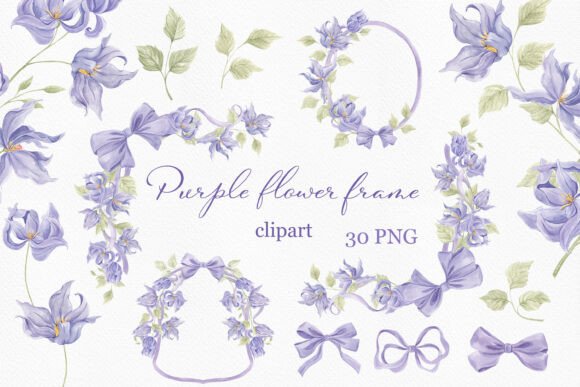
This elegant watercolor purple bows and decorative flower frames serve not merely as borders but as focal points that guide the viewer’s eye. The ribbon acts as a structural anchor, providing symmetry and balance, while the flowers introduce movement and natural irregularity. This juxtaposition creates a dynamic tension that keeps the design engaging without becoming chaotic. For brands aiming to project an image of gentle sophistication, such as boutique hotels, artisanal bakeries, or wellness centers, these elements offer an immediate visual cue of quality and care.
Emotional Resonance in Design
Design is not just about aesthetics; it is about communication. The soft, elegant, and romantic feel of hand-painted watercolor artwork triggers specific emotional responses. In the context of weddings, for example, these elements evoke feelings of nostalgia, love, and timelessness. Unlike sharp, vector-based graphics which can sometimes feel cold or corporate, watercolor textures invite the viewer to linger. They suggest a story, a process, and a personal touch. This emotional resonance is crucial for creators who want their work to connect on a deeper level with their audience, moving beyond mere information delivery to experience creation.
Technical Specifications and Usability
While the visual appeal is paramount, the practical utility of digital assets determines their value in professional workflows. The inclusion of thirty distinct ribbon bow flower frames and individual flower elements provides designers with a comprehensive toolkit. However, the true value lies in the technical execution of these files. High-resolution 300 DPI (dots per inch) ensures that the images retain their clarity and detail even when printed at larger sizes. This is a critical consideration for physical products such as invitations, posters, or packaging, where pixelation can undermine the perceived quality of the final product.
The use of PNG format with transparent backgrounds is another essential feature. Transparency allows for seamless integration into any design layout, regardless of the underlying color or texture. Designers can layer these watercolor elements over textured paper backgrounds, solid colors, or photographic images without the distraction of white boxes or jagged edges. This flexibility accelerates the design process, allowing for rapid prototyping and iteration. Instead of spending hours masking out backgrounds or adjusting blending modes, creators can drag and drop these elements directly into their compositions, focusing more on creative arrangement and less on technical cleanup.
- High Resolution: 300 DPI ensures print-ready quality for professional outputs.
- Transparent Backgrounds: PNG format allows for easy layering and integration.
- Variety: Thirty unique elements provide diverse compositional options.
- Hand-Painted Authenticity: Organic textures that avoid the sterile look of pure digital art.
Diverse Applications Across Industries
The versatility of Watercolor Purple Flower Ribbon Frames extends far beyond the realm of wedding decor. While they are indeed perfect for wedding invitations, save-the-dates, and menu cards, their application spans multiple industries and media types. Understanding these diverse use cases helps creators maximize the return on their asset investment.
Branding and Logo Design
For small businesses and entrepreneurs, particularly those in the beauty, fashion, or lifestyle sectors, these elements can be integral to brand identity. A logo incorporating a subtle watercolor flower or a delicate ribbon can differentiate a brand in a crowded marketplace. It signals attention to detail and an appreciation for aesthetics. When used in branding, it is important to maintain consistency. Selecting a specific shade of purple and sticking to it across all materials helps build brand recognition. These frames can also be used in secondary branding materials, such as business cards, letterheads, and packaging inserts, creating a cohesive visual experience for the customer.
Social Media Graphics
In the fast-paced world of social media, visual stoppower is essential. Instagram posts, Pinterest pins, and Facebook covers benefit greatly from the addition of decorative frames. These elements can frame product photos, highlight quotes, or announce sales events. The romantic and elegant nature of the watercolor style performs well on platforms where lifestyle and aspiration are key drivers of engagement. By using these frames, content creators can elevate simple smartphone photos into polished, professional-looking graphics that align with current design trends.
Scrapbooking and Printable Products
The rise of the maker economy has led to a surge in demand for printable products. Digital planners, journal stickers, greeting cards, and scrapbook pages are popular items sold on online marketplaces. This elegant watercolor purple bows and decorative flower frames are ideal for these applications because they offer a handmade look without the time commitment of actual painting. Sellers can combine these elements with typography and other graphics to create unique, sellable digital downloads. The high resolution ensures that customers can print these items at home or through professional services with excellent results.
Implementation Strategies for Creators
To effectively utilize these watercolor elements, creators should consider composition principles such as balance, contrast, and hierarchy. When using a full frame, ensure that the text or central image has enough breathing room. Overcrowding the center can make the design feel cluttered and difficult to read. Conversely, using individual flower elements as accents can add interest without overwhelming the main content. Placing a single bloom in a corner or along the edge of a layout can create a sense of movement and guide the eye naturally through the design.
Color coordination is also vital. While purple is the dominant hue, pairing it with complementary colors such as soft greens, creams, or golds can enhance its impact. Gold foil effects, when simulated digitally or applied in print, pair exceptionally well with purple watercolors, adding a touch of luxury. Designers should experiment with opacity and blending modes to integrate the watercolor textures more naturally with background elements. Sometimes, reducing the opacity slightly can help the element sit better within the overall composition, preventing it from looking like a sticker placed on top of the design.
Considerations for Print Production
When preparing designs for print, it is crucial to verify color profiles. Screens display colors in RGB (Red, Green, Blue), while printers use CMYK (Cyan, Magenta, Yellow, Key/Black). Purple hues can shift significantly during this conversion. Designers should perform test prints to ensure that the vibrant purples seen on screen translate accurately to paper. Additionally, choosing the right paper stock can enhance the watercolor effect. Textured papers, such as linen or cotton blends, can mimic the surface of watercolor paper, reinforcing the hand-painted aesthetic.
The Trend Toward Organic Digital Art
The popularity of Watercolor Purple Flower Ribbon Frames reflects a broader trend in design: the desire for authenticity and human connection in a digital world. As artificial intelligence and automated design tools become more prevalent, there is a counter-movement valuing imperfection, texture, and hand-crafted details. Consumers are increasingly drawn to brands and designs that feel personal and curated rather than mass-produced and generic. Watercolor art, with its inherent unpredictability and softness, embodies this shift.
This trend is not limited to weddings or feminine-coded products. It is appearing in corporate reports, educational materials, and tech branding, where it serves to soften the message and make complex information more approachable. By incorporating these botanical ribbon wreaths, designers can tap into this cultural moment, creating work that feels current, relevant, and emotionally intelligent.
In conclusion, the strategic use of high-quality watercolor assets can significantly elevate the quality and impact of design projects. From the technical benefits of 300 DPI PNGs to the emotional resonance of hand-painted textures, these elements offer a powerful tool for creators across various fields. By understanding their characteristics and applying them thoughtfully, designers can create work that is not only visually stunning but also meaningful and effective in communicating their intended message.