Evaluating the Practical Value of Minimal Floral Branch Line Art SVG
In the crowded landscape of digital design assets, simplicity often commands the most attention. The Minimal Floral Branch Line Art SVG represents a specific category of vector graphics that prioritizes clean lines, negative space, and botanical accuracy without unnecessary ornamentation. For designers, crafters, and business owners, understanding the utility of this asset type is crucial for streamlining workflows and maintaining a cohesive brand aesthetic. This analysis explores the functional benefits, technical specifications, and real-world applications of these minimalist botanical files.
Defining the Aesthetic and Technical Structure
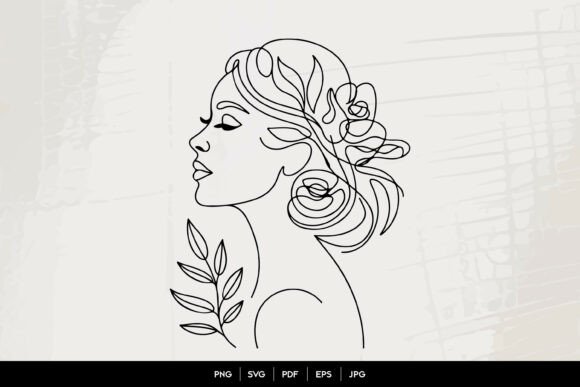
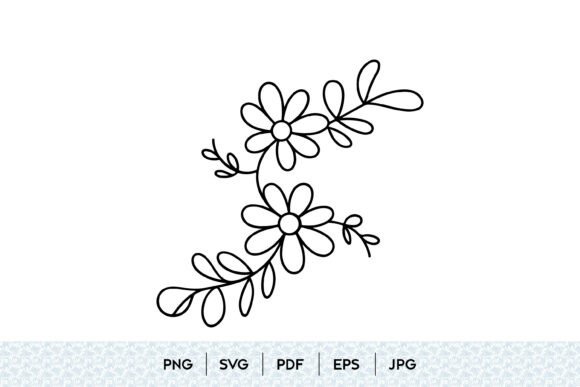
At its core, a minimal floral branch line art SVG is a scalable vector graphic that depicts plant life using continuous or segmented lines rather than filled shapes or complex gradients. Unlike traditional illustrations that may rely on color blocking or shading to define form, this style uses stroke weight and curvature to suggest volume and movement. The result is a botanical line art piece that feels modern, elegant, and versatile.
The technical foundation of these files lies in their vector nature. An SVG (Scalable Vector Graphics) file uses mathematical paths to define images, meaning they can be resized infinitely without losing quality. This is distinct from raster formats like JPG or PNG, which pixelate when enlarged. When you acquire a comprehensive package, such as the one described containing PNG, JPG, EPS, SVG, and PDF formats, you are securing flexibility across various production methods. The inclusion of high-resolution PNGs at 300 ppi ensures compatibility with platforms that do not support vectors, while the EPS and SVG files remain essential for professional printing and cutting machines.
Key Strengths for Professional Workflows
The primary advantage of integrating minimalist floral svg elements into your creative toolkit is adaptability. These assets serve as foundational building blocks rather than finished products, allowing creators to customize them extensively. Here are several key strengths that make them valuable:
- Scalability and Precision: Whether used for a small business card logo or a large-scale wedding backdrop, the flower branch line art maintains crisp edges. This reliability is critical for professional output where pixelation is unacceptable.
- Editing Flexibility: Because the designs are typically composed of simple paths, they are easy to manipulate in software like Adobe Illustrator, Inkscape, or Cricut Design Space. Users can adjust stroke thickness, change colors, or combine multiple floral accent svg elements to create unique compositions.
- File Efficiency: Minimalist designs result in smaller file sizes compared to complex illustrations. This improves website loading times and makes file management easier for digital marketers and web developers.
- Cross-Platform Compatibility: The inclusion of multiple formats ensures that the asset works for both digital and physical applications. A laser cut flower design requires clean vector paths, while a printable floral art piece might benefit from the high-resolution PNG included in the bundle.
Practical Applications Across Industries
The versatility of botanical clipart extends far beyond personal hobby projects. Professionals in various sectors find these assets indispensable for maintaining a polished, organic aesthetic. Below are specific scenarios where these files deliver significant value.
Branding and Identity Design
For entrepreneurs launching brands in the wellness, beauty, or lifestyle sectors, a flower logo element derived from minimal line art can convey sophistication and femininity without appearing cluttered. The modern botanical design aligns well with current trends favoring clean, airy visuals. Designers can use a single daisy flower svg or a complex flower spray svg as a watermark, social media avatar, or packaging detail. The monochromatic nature of black and white flower art allows it to sit comfortably over various background colors without clashing.
Wedding and Event Stationery
The wedding industry relies heavily on floral stationery design. Couples and planners often seek elegant floral artwork that complements typography rather than competing with it. A decorative flower branch can frame invitation text, adorn menu cards, or serve as a subtle background pattern. The ability to scale these vectors ensures that the same design can be used on a small place card and a large welcome sign, maintaining visual consistency throughout the event.
Digital Crafting and Fabrication
For users of cutting machines like Cricut or Silhouette, the cricut floral svg format is essential. These machines read vector paths to determine cut lines. A well-constructed simple floral design with closed paths and minimal anchor points reduces cutting time and material waste. Furthermore, laser cut flower design files require precise vector data to ensure clean burns on wood or acrylic. The continuous line flower art style is particularly popular in this realm because it creates intricate yet sturdy physical objects.
Content Creation and Marketing
Bloggers and social media managers use floral decoration svg elements to break up text, create custom headers, or design quote graphics. The nature inspired svg aesthetic appeals to audiences interested in sustainability, mindfulness, and home decor. By using commercial use svg files, creators can monetize their designs on print-on-demand platforms, selling items like tote bags, mugs, and wall art without worrying about licensing infringements, provided the license terms are respected.
Assessing Quality and Usability
Not all vector files are created equal. When evaluating a Minimal Floral Branch Line Art SVG package, several factors determine its professional viability. First, examine the node count. High-quality vectors use the minimum number of anchor points necessary to define a curve. Excessive nodes can cause issues with cutting machines and make editing cumbersome. Second, check for closed paths if you intend to fill the shapes with color. Open paths may lead to unexpected results in certain design software.
The organization of layers also matters. Well-structured files separate different elements, such as leaves, stems, and flowers, into distinct layers or groups. This structure allows users to hide, delete, or recolor specific parts easily. For instance, a flower vine illustration might have separate components for the main stem and individual blossoms, enabling customized arrangements. Additionally, the inclusion of alternative formats like PDF and EPS ensures compatibility with older software versions or specific print requirements.
Limitations and Considerations
While highly versatile, minimal line art has limitations. It may not suit brands seeking a bold, vibrant, or highly detailed aesthetic. The subtlety of minimalist botanical artwork can get lost on busy backgrounds or low-resolution screens if not sized appropriately. Furthermore, because these designs are popular, there is a risk of visual saturation. To mitigate this, creators should modify the base assets by combining different botanical ornament elements, adjusting proportions, or integrating them with unique typography.
Another consideration is the learning curve for vector editing. While SVGs are user-friendly, maximizing their potential requires basic knowledge of vector software. Beginners may need to invest time in learning how to ungroup elements, modify paths, and export files correctly for different mediums.
Final Verdict on Utility
The Minimal Floral Branch Line Art SVG is a robust resource for anyone involved in visual communication. Its strength lies in its neutrality and adaptability. By providing a clean, elegant foundation, it allows professionals to build customized solutions for branding, crafting, and marketing. The inclusion of multiple file formats in a single zip file enhances its value, ensuring readiness for both digital and physical production. For those seeking to elevate their design projects with timeless, nature-inspired elements, this asset type offers a reliable and efficient solution. When selected carefully and used creatively, it supports long-term brand consistency and operational efficiency.