Mountain Biker Jumping over Rocky Trail: Evaluating the Premium Vector Silhouette for Modern Design
In the realm of digital illustration and graphic design, finding assets that balance dynamic energy with technical usability is a persistent challenge. The Mountain Biker Jumping over Rocky Trail silhouette represents a specific niche within sports-themed clip art, capturing a moment of high-intensity action while maintaining the clean lines necessary for versatile application. For designers, marketers, and content creators, this asset is not merely an image; it is a functional tool that must integrate seamlessly into broader visual narratives. Understanding what makes this particular vector distinct, how it compares to alternative styles, and where it fits best in a professional workflow is essential for making informed purchasing or usage decisions.
Defining the Aesthetic and Technical Structure
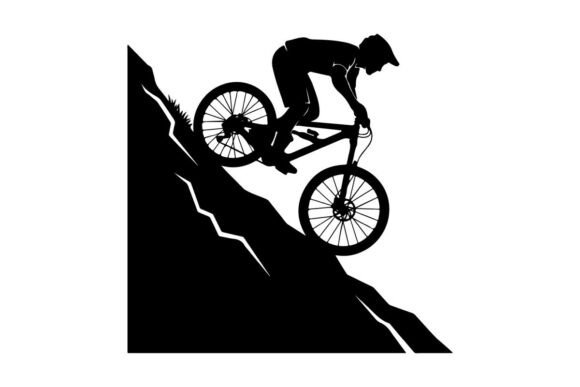
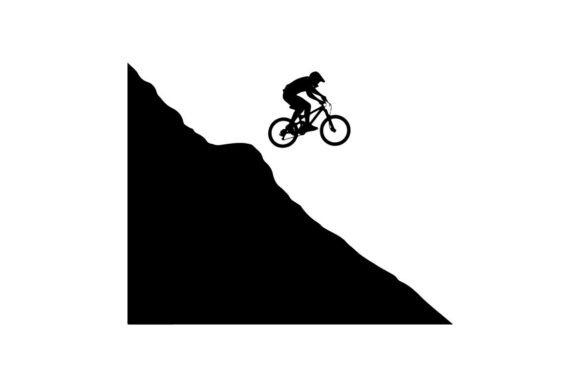
The core appeal of the Mountain Biker Jumping over Rocky Trail lies in its reduction of complex motion into a simplified, recognizable form. Unlike photographic imagery, which can suffer from lighting inconsistencies or background clutter, a silhouette strips away detail to focus on shape and posture. This specific design features a rider mid-air, navigating a rugged, uneven terrain. The "rocky trail" element is crucial, as it provides context and grounding, differentiating it from generic cycling icons that might show a rider on flat ground or a simple circle.
Technically, this asset is built as a premium vector. This means it is constructed using mathematical paths rather than pixels. The result is a file that remains crisp and edge-perfect whether scaled down for a social media avatar or enlarged for a billboard. The "clean outlines" mentioned in its description refer to the optimization of anchor points. Poorly constructed vectors often contain redundant nodes that make editing difficult and can cause errors in cutting machines. A well-designed silhouette ensures that every curve serves a purpose, offering a polished look without unnecessary complexity.
Comparative Analysis: Silhouettes vs. Detailed Illustrations
When evaluating visual resources, creators often debate between using detailed illustrations, photographs, or silhouettes. Each format has distinct tradeoffs regarding flexibility and impact.
- Photographs: While realistic, photos are rigid. They require specific lighting conditions to match your brand palette, and isolating the subject often results in awkward edges. A Mountain Biker Jumping over Rocky Trail photo might look dramatic but fails when placed over a busy background.
- Detailed Illustrations: These offer character and color but can clash with existing brand guidelines. If your project uses a minimalist aesthetic, a highly detailed, multi-colored drawing may feel out of place.
- Silhouettes: This format offers maximum flexibility. Because the interior is solid color (usually black), it adapts instantly to any background. The Mountain Biker Jumping over Rocky Trail silhouette allows you to change the color to match corporate branding, seasonal themes, or print constraints without losing legibility.
The decision often comes down to the need for adaptability. If the goal is to convey movement and energy without dictating a specific color scheme or realistic texture, the silhouette approach is superior. It acts as a visual shorthand, allowing the viewer’s brain to fill in the details while focusing on the action.
Practical Applications and Use Cases
The versatility of this vector clip art extends across various industries and mediums. Its modern silhouette style ensures it remains relevant across different trends, making it a safe yet effective choice for long-term projects.
Branding and Merchandise
For outdoor retailers, adventure tourism agencies, or fitness brands, this image serves as a strong emblem. When applied to merchandise such as t-shirts, water bottles, or stickers, the clean vector paths ensure smooth cutting. Vinyl cutters and laser engravers perform significantly better with optimized vectors than with complex raster images. The balanced shapes prevent thin lines from breaking during production, a common issue with lower-quality clip art.
Digital Content and Web Design
In digital environments, load times and responsiveness are critical. A vector SVG file is lightweight compared to high-resolution JPEGs or PNGs. Using the Mountain Biker Jumping over Rocky Trail as a hero image element or section divider adds visual interest without bloating page size. It works particularly well in parallax scrolling effects, where the silhouette can move at a different speed than the background to create depth.
Print Media and Editorial Layouts
For magazines, brochures, or event posters, the timeless aesthetic of the silhouette allows it to blend with typography effectively. Unlike busy photographs that compete for attention, a silhouette can sit behind text or alongside headlines without reducing readability. It provides a thematic anchor for articles about endurance, risk management, or outdoor lifestyle.
Evaluating Limitations and Fit
While the Mountain Biker Jumping over Rocky Trail silhouette offers numerous advantages, it is not a universal solution. Recognizing its limitations helps prevent mismatched applications.
Lack of Emotional Nuance: Silhouettes remove facial expressions and fine details. If the narrative requires conveying specific emotions—such as fear, joy, or exhaustion—a silhouette may feel too abstract. In such cases, a detailed illustration or photograph might be more appropriate.
Context Dependency: The "rocky trail" element provides context, but it is still stylized. If the project requires geographical accuracy or specific terrain types (e.g., mud, snow, or paved roads), this generic rocky design may not suffice. Creators should assess whether the generic nature of the trail aligns with their specific messaging.
Overuse Risk: Because silhouettes are popular, they can appear generic if not used creatively. To avoid this, designers should consider modifying the color, adding texture overlays, or combining the silhouette with other graphic elements to create a unique composition.
Decision Factors for Creators
Choosing the right asset involves weighing several factors. Here is a practical framework for deciding if this specific vector is the right fit for your project:
- Scalability Needs: Do you need the image to work at both very small and very large sizes? If yes, the vector structure is essential.
- Brand Consistency: Does your brand rely on a specific color palette? The ability to recolor the silhouette instantly makes it a strong candidate for strict brand guidelines.
- Production Method: Are you using digital printing, screen printing, or vinyl cutting? Vector silhouettes are ideal for all these methods, especially cutting, due to clean paths.
- Narrative Focus: Is the focus on the action itself rather than the individual? If the story is about the sport or the challenge, the anonymity of the silhouette enhances the universal appeal.
Final Considerations
The Mountain Biker Jumping over Rocky Trail premium vector silhouette is a specialized resource designed for efficiency and visual impact. It excels in situations where clarity, scalability, and adaptability are prioritized over photorealism. By understanding its strengths—such as clean outlines and timeless appeal—and acknowledging its limitations, creators can leverage this asset to enhance their projects effectively. Whether for branding, merchandise, or digital content, this clip art offers a reliable foundation for conveying dynamic movement in a professional, polished manner. Always consider the specific context of your project and ensure that the abstract nature of the silhouette aligns with your communicative goals before integration.