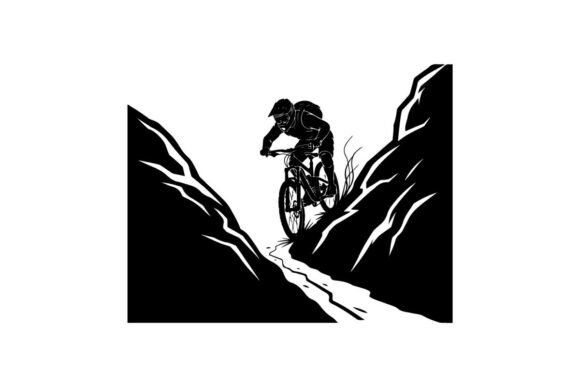
Mountain Biker Riding on Steep Rocky Trail: Mastering Technical Terrain with Confidence
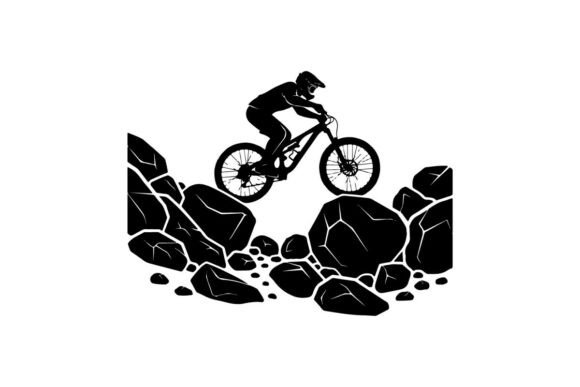
The image of a mountain biker riding on steep rocky trail is one of the most iconic representations of the sport’s raw intensity and technical demand. It captures a moment where gravity, momentum, and human skill intersect in a chaotic yet controlled dance. For many riders, this specific type of terrain represents the ultimate test of ability. It is not merely about pedaling harder; it is about reading the ground, managing fear, and executing precise movements under pressure. Whether you are an aspiring enduro racer or a weekend warrior looking to expand your comfort zone, understanding the dynamics of steep, rocky descents is essential for progression and safety.
Riding over loose rocks, jagged outcrops, and steep gradients requires a fundamental shift in mindset and technique compared to flowing singletrack or smooth fire roads. The primary challenge lies in the unpredictability of the surface. Rocks move, tires slip, and lines change with every pass. However, mastering this environment unlocks a new level of freedom on the bike. It allows riders to tackle more diverse landscapes, from high-alpine routes to rugged desert canyons, transforming intimidating obstacles into manageable features.
Understanding the Challenges of Rocky Terrain
When approaching a mountain biker riding on steep rocky trail scenario, several physical and mental hurdles come into play. The first is traction management. On steep inclines, weight distribution becomes critical. If too much weight is on the rear wheel, the front may lift, causing a loss of steering control. If too much weight is forward, the rear wheel may skip or slide out. Rocks exacerbate this by providing inconsistent contact patches. Unlike dirt, which can mold around a tire, rock surfaces are hard and unforgiving, requiring constant micro-adjustments to maintain grip.
Another significant challenge is line choice. In open fields, there are infinite paths. On a steep, rocky chute, options are limited. Riders must quickly identify "high lines" that offer better traction but require more power, or "low lines" that are faster but riskier due to potential impacts. The cognitive load increases dramatically as speed picks up, demanding split-second decision-making. Furthermore, the vibration and impact forces transmitted through the frame can lead to fatigue, making body positioning and relaxation techniques vital for endurance.
Techniques for Navigating Steep Rocky Sections
To successfully emulate the poise of a skilled mountain biker riding on steep rocky trail, riders must adopt specific technical strategies. The foundation of these techniques is the "attack position." This involves standing on the pedals with knees and elbows bent, creating a natural suspension system. By keeping the center of gravity low and centered, the rider allows the bike to move beneath them while maintaining stability. On steep terrain, shifting the hips back behind the saddle is crucial to prevent going over the handlebars, a common mishap on sudden drops or large rocks.
Braking modulation is another key component. Many beginners make the mistake of grabbing the brakes hard when they feel out of control. On rocky terrain, this often locks the wheels, leading to immediate slides and crashes. Instead, experienced riders use feathering techniques—applying light, intermittent pressure to slow down without losing traction. It is generally advisable to brake before entering the technical section rather than during it, allowing the bike to roll freely over the obstacles.
Looking ahead is perhaps the most underrated skill. Your bike goes where your eyes look. If you stare at the rock immediately in front of your wheel, you will hit it. By focusing two or three meters ahead, you give your brain time to process the upcoming terrain and plan your line. This proactive approach smooths out the ride and reduces the reactive jerking motions that destabilize the bike.
Equipment Considerations for Rough Trails
While skill is paramount, having the right equipment significantly influences confidence and performance on a mountain biker riding on steep rocky trail. Tire choice is arguably the most important factor. Wider tires with aggressive tread patterns and softer rubber compounds provide better grip on loose and hard-packed rock. Running lower tire pressures can also increase the contact patch, allowing the tire to conform to irregular surfaces, though this must be balanced against the risk of pinch flats.
Suspension setup plays a equally vital role. A well-tuned fork and shock absorb the harsh impacts of rocky terrain, keeping the wheels in contact with the ground. Riders should ensure their rebound damping is set correctly so the suspension returns quickly enough to handle successive hits but not so fast that it bucks the rider off the bike. Additionally, protective gear such as knee pads, elbow guards, and full-face helmets provides the psychological security needed to push limits safely.
Practical Applications and Training Progression
Integrating these skills into your riding routine requires a structured approach. Start by finding local trails with moderate rocky sections. Practice riding them slowly, focusing on body position and line choice rather than speed. As comfort grows, gradually increase the pace. Video analysis can be a powerful tool; recording yourself riding a technical section allows you to review your posture and braking habits objectively.
For those interested in the creative side of the sport, the visual appeal of a mountain biker riding on steep rocky trail is undeniable. This imagery is frequently used in marketing materials, event posters, and apparel designs. Designers often seek high-quality vector silhouettes that capture the dynamic posture of the rider against rugged backgrounds. These assets allow for flexible application across various media, from website headers to printed merchandise, ensuring the brand message resonates with the adventurous spirit of the mountain biking community.
Different Approaches for Different Riders
Not every rider approaches steep rocky terrain with the same goals. Cross-country racers may view these sections as efficiency tests, aiming to maintain momentum with minimal energy expenditure. They prioritize smoothness and direct lines. In contrast, enduro and downhill riders may see them as opportunities to gain speed or showcase technical flair, taking more aggressive lines that involve jumping off rocks or skidding through corners. Recreational riders might focus purely on enjoyment and safety, choosing lines that minimize risk even if they are slower.
Regardless of the approach, the core principles remain consistent: respect the terrain, prepare adequately, and practice consistently. The sense of accomplishment derived from cleanly navigating a difficult rocky descent is unparalleled. It builds resilience and confidence that translates to other areas of life. By breaking down the complex task of riding steep, rocky trails into manageable components—body position, vision, braking, and equipment—riders can systematically improve their skills.
Ultimately, the mountain biker riding on steep rocky trail is a symbol of mastery over adversity. It reminds us that with the right preparation and mindset, even the most daunting obstacles can be overcome. Whether you are out on the trail seeking personal growth or using the imagery for creative projects, the essence of this experience lies in the harmony between rider, machine, and nature. Embrace the challenge, learn from every fall, and keep pushing forward.