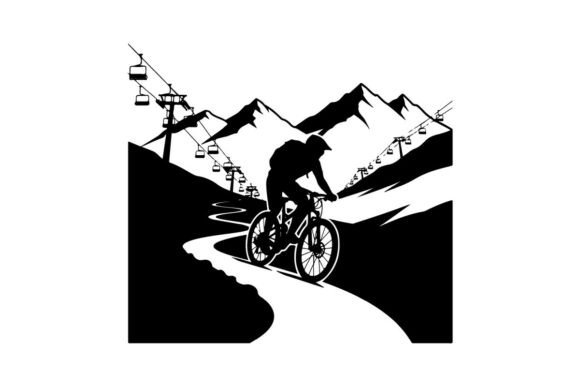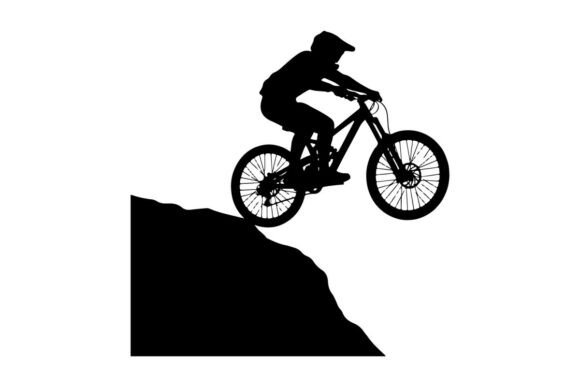
Evaluating the Mountain Biker Performing Jump Stunt Silhouette for Modern Design Projects
In the realm of graphic design and digital content creation, selecting the right visual asset is often a balancing act between aesthetic appeal, technical flexibility, and project requirements. One increasingly popular choice for designers working on sports-themed branding, merchandise, or editorial layouts is the Mountain Biker Performing Jump Stunt silhouette. This specific type of vector clip art offers a distinct visual language that communicates energy, motion, and adventure without the visual noise of detailed photography or complex illustrations.
For professionals and hobbyists alike, understanding what makes this particular silhouette style effective—and how it compares to other visual formats—is essential for making informed decisions about creative resources. This article explores the characteristics of the mountain biker jump stunt silhouette, evaluates its practical applications, and discusses when it serves as the optimal choice versus when alternative formats might be better suited to your needs.
Defining the Visual Appeal and Technical Structure
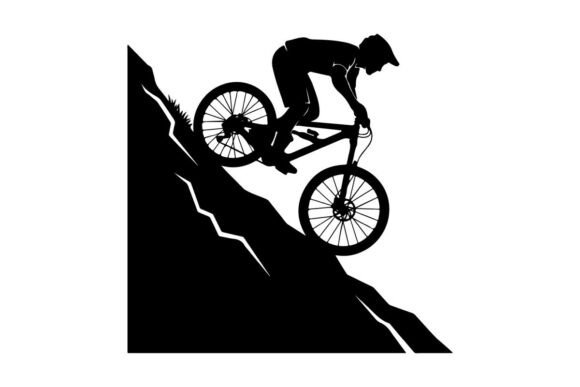
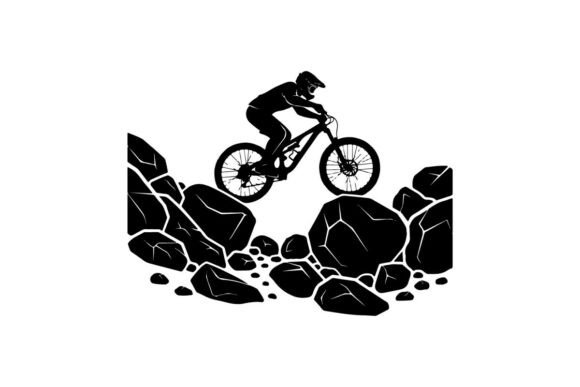
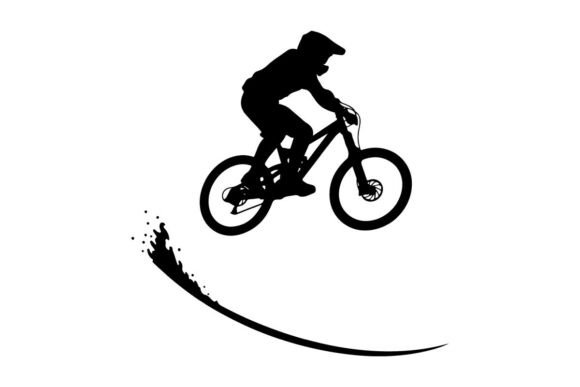
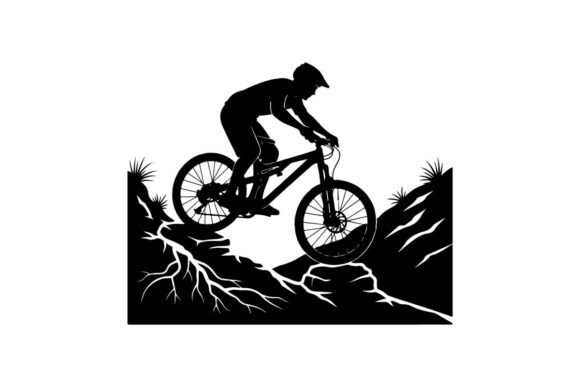
A Mountain Biker Performing Jump Stunt silhouette is not merely a black shape against a white background; it is a carefully constructed vector graphic designed to capture the essence of dynamic movement. The primary distinction of this asset lies in its abstraction. By removing color, texture, and facial details, the design forces the viewer to focus entirely on the form and posture of the rider and the bike. This minimalism is powerful because it allows the image to function as a universal symbol of extreme sports rather than a depiction of a specific individual or event.
From a technical perspective, these assets are typically delivered as premium vector files. This means they are built using mathematical paths rather than pixels. The result is a clean, flexible design that maintains crisp edges and smooth curves regardless of scaling. Whether you are printing a small logo on a business card or creating a large-format banner for a sporting event, the integrity of the design remains intact. This scalability is a critical factor for designers who need versatility across multiple media types.
Comparing Silhouettes to Photographic and Illustrated Alternatives
When choosing visual elements for a project, designers often weigh silhouettes against high-resolution photography or hand-drawn illustrations. Each format has unique strengths and tradeoffs that influence its suitability for different contexts.
- Photography: Realistic images provide immediate context and emotional connection through facial expressions and environmental details. However, photos can be busy, difficult to overlay with text, and may require extensive editing to match brand colors. They also lack the inherent scalability of vectors.
- Detailed Illustrations: Custom drawings offer unique artistic flair and can include intricate details. Yet, they often come with higher costs, longer production times, and potential compatibility issues if not created in standard vector formats.
- Silhouettes: The Mountain Biker Performing Jump Stunt silhouette strikes a middle ground. It offers the clarity and simplicity needed for quick visual recognition while retaining the professional polish of vector graphics. It is easier to integrate into existing layouts than a photo and more cost-effective than a custom illustration.
The decision often comes down to the intended message. If the goal is to convey raw emotion or specific location details, photography may be superior. However, if the objective is to represent the concept of mountain biking broadly—such as in an icon set, a pattern repeat, or a minimalist logo—the silhouette is often the more effective tool.
Practical Applications and Best-Fit Scenarios
Understanding where this specific clip art excels helps designers allocate their resources efficiently. The clean outlines and balanced shapes of the mountain biker silhouette make it particularly well-suited for several key applications:
- Branding and Logos: For bike shops, adventure tour companies, or sports clubs, a silhouette provides a timeless mark that does not trend out of style quickly. Its simplicity ensures legibility even at small sizes, such as on social media avatars or favicon icons.
- Merchandise Design: When printing on t-shirts, hats, or water bottles, fewer colors and simpler shapes often result in lower production costs and higher durability. The solid fill of a silhouette works exceptionally well with screen printing and vinyl cutting techniques.
- Digital Content and Web Design: In web headers or app interfaces, silhouettes load faster than high-res images and can be easily recoded via CSS to change colors dynamically. This makes them ideal for responsive design environments.
- Editorial Layouts: In magazines or blogs discussing outdoor activities, a silhouette can serve as a decorative element that breaks up text without distracting from the written content. It acts as a visual anchor that reinforces the theme without competing for attention.
The versatility of the Mountain Biker Performing Jump Stunt design allows it to blend seamlessly into various industries beyond just sports. It can be adapted for fitness campaigns, youth program materials, or even corporate team-building event promotions where an active lifestyle theme is desired.
Limitations and Considerations for Decision-Making
While the benefits are significant, it is important to recognize the limitations of using silhouette clip art. Because these designs rely on abstraction, they cannot convey specific nuances such as the brand of the bike, the terrain type, or the rider’s identity. If your project requires highlighting specific equipment features or realistic environmental conditions, a silhouette may feel too generic.
Additionally, the market is saturated with low-quality vector files that have messy anchor points or unoptimized paths. When evaluating a Mountain Biker Performing Jump Stunt asset, it is crucial to check the file structure. A premium vector should have clean nodes, closed paths, and organized layers. Poorly constructed vectors can cause issues when resizing or when sending files to cutting machines, leading to jagged edges or unexpected gaps in the design.
Another consideration is originality. Since silhouettes are popular, there is a risk of using a design that appears in many other projects. To mitigate this, designers often customize the silhouette by adjusting the angle, adding subtle background elements, or combining it with typography to create a unique composition.
Making the Right Choice for Your Creative Journey
Choosing the right visual asset involves aligning the tool with your project’s goals, budget, and technical requirements. The Mountain Biker Performing Jump Stunt silhouette is an excellent choice when you need a scalable, versatile, and visually striking representation of action and adventure. It offers a professional look with minimal complexity, making it accessible for both seasoned designers and those new to graphic creation.
However, if your project demands hyper-realism, specific product detailing, or a highly unique artistic style that cannot be achieved through modification of existing templates, you may need to invest in custom photography or illustration. Evaluating these factors early in the design process ensures that you select resources that enhance rather than hinder your creative vision.
Ultimately, the value of this clip art lies in its ability to simplify communication. By stripping away the unnecessary, it highlights the core energy of the sport. For many creative journeys, especially those focused on branding, merchandise, or clear visual messaging, this balance of simplicity and impact makes the mountain biker silhouette a reliable and effective resource.